Compression Garments and TED Hose After Plastic Surgery Procedures
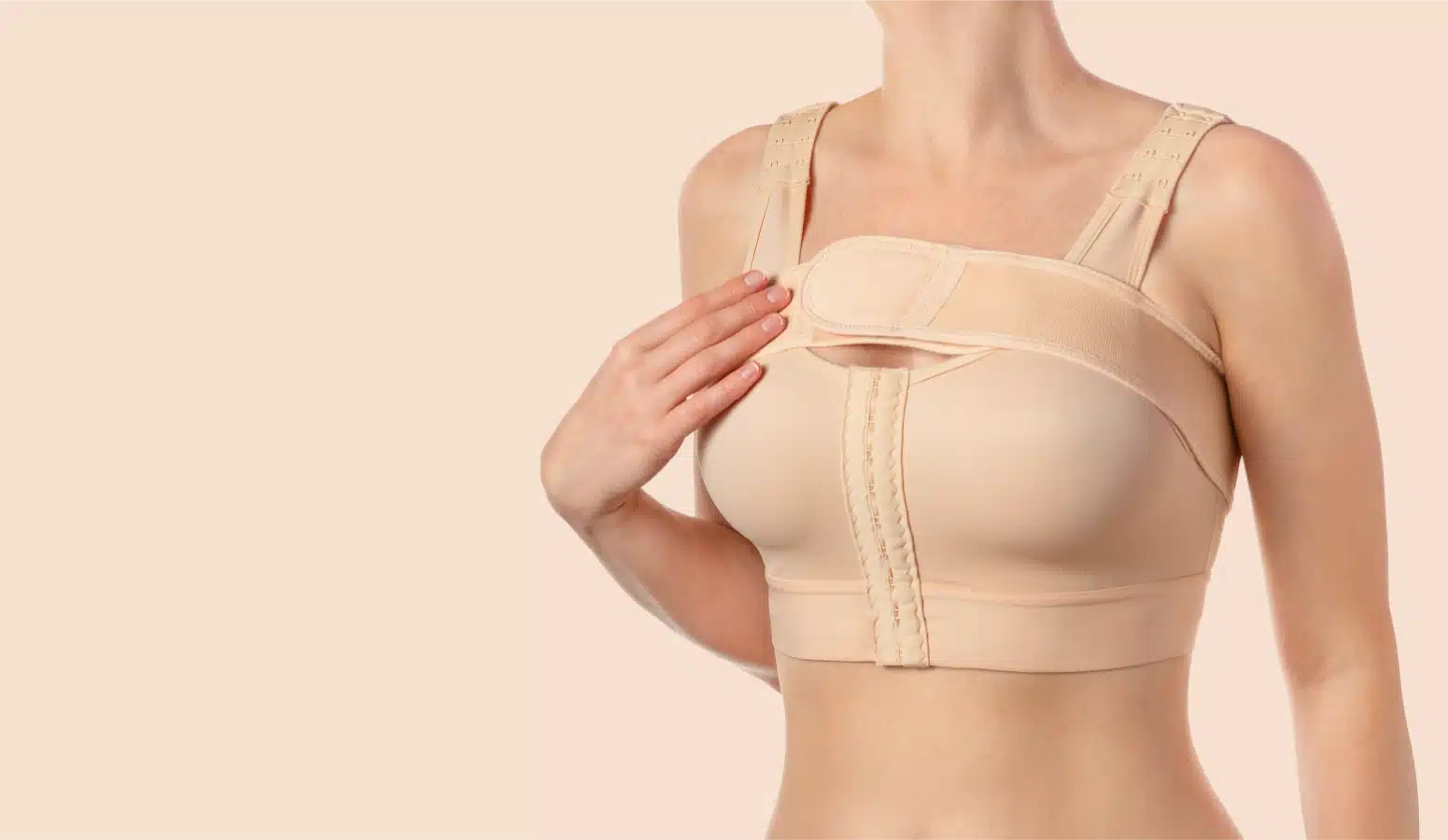
After plastic surgery, two of the most important recovery tools your surgeon will recommend are a compression garment and TED hose. Both serve distinct purposes, and using them correctly makes a real difference in how well and how quickly you heal. Here is what you need to know about each one.
Compression Garments
Compression garments are often used in the plastic surgery recovery process for various body procedures, including tummy tucks, liposuction, breast augmentation, and body contouring, to improve and speed up the healing process. The garment reduces swelling, and the faster swelling goes down, the faster you heal. It also helps soften and flatten scars, promotes circulation and wound healing, and reduces the risk of blood clots and infection.
Your compression garment should fit snugly but should not be uncomfortable. If it causes pain or discomfort, or if it becomes too loose as swelling goes down, talk to your surgeon. The garment should be worn at all times, except during showering or bathing, as recommended by your surgeon. When permitted to shower, dry yourself well and put the garment back on immediately.
Your compression garment must be kept clean to prevent infection, so it is acceptable to periodically remove it for one to two hours for washing. Getting a spare garment is ideal, as you will then have time to hand-wash it with mild detergent and air-dry it, since most garments will loosen with frequent machine washing and drying.
TED Hose and Anti-Embolism Stockings
TED hose, or anti-embolism stockings, are tight, knee or thigh-high stockings sometimes worn after surgery to increase blood flow in the legs and reduce the risk of blood clots (DVT) and pulmonary embolism (PE). Your surgeon will determine whether they are appropriate for you and recommend the application and duration depending on your health history, surgery type, and medications.
Higher risk patients include those with a previous history of DVT or PE, genetic predisposition, chronic diseases, estrogen use such as birth control pills or hormone replacement therapy, chemotherapy, age above 55 to 60, obesity, and smoking. TED hose may not be suitable for patients with significant skin problems, vascular disease, or peripheral neuropathy.
TED hose must be properly fitted. If they are the wrong size, wrinkled, or twisted, they can cause skin irritation, bruising, skin breakdown, or restricted blood circulation. Be aware that TED hose are different from compression stockings, which are made for active individuals and everyday use.
Follow your surgeon’s advice on when and how long to wear TED hose. Notify your surgeon if you experience any numbness, tingling, or pain.
Be aware of DVT symptoms after surgery, which include pain, redness, swelling, and warmth in an extremity. PE symptoms include sudden shortness of breath, chest pain, rapid heart rate, light-headedness, clammy skin, and anxiety. Suspected DVT requires prompt medical evaluation to prevent it from traveling to the lungs. Suspected PE requires immediate medical attention.