
Why We Ask Piercings and Jewelry Be Removed Before Surgery
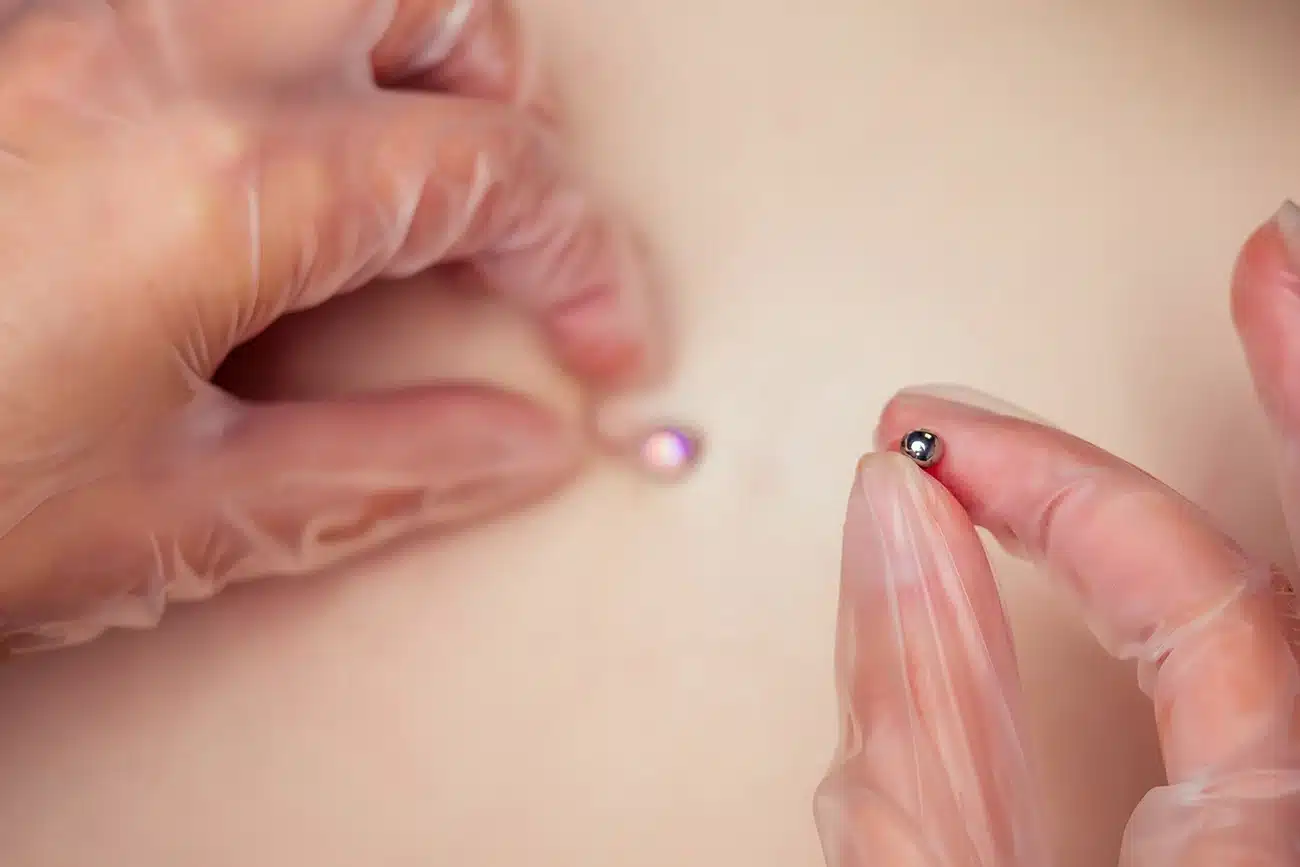
We ask you remove your piercings and jewelry prior to surgery to avoid complications whenever possible.
One of the biggest concerns during surgery is when electrocautery is used to seal bleeding vessels, a very routine technique, where metal jewelry can cause an electrical arc which may lead to mild/severe burns.
Jewelry/piercings are also often in the way of surgery so nipple piercings have to be removed in breast surgery, a belly button piercing will usually need to be removed for abdominal procedures, rings for a hand procedure. Tongue/lip piercings in particular have to be removed as can be an issue when having general anesthesia. Wearing any jewelry in the mouth increases the risk of aspiration or swallowing.
If your ring is tight prior to surgery, post-surgery swelling can make removal impossible and sometimes has to be cut off to prevent restriction of blood flow so taking it off before surgery and leaving it at home is the way to go.
Always check with your surgeon for specific instructions regarding your piercing. If you remove it yourself, wash your hands thoroughly and use antiseptic wipes to clean the area around the piercing. Place it in a clean container to avoid loss or contamination. Clean the piercing site after removal and follow care instructions provided by your surgeon. Remove it as close to the surgery time as advised to minimize healing issues.
If the jewelry is stuck, do not force it, consult a professional. If you experience any pain or unusual symptoms during this process, seek medical advice.
If you need to keep the holes open, you might be able to use plastic spacers or retainers. The most popular areas to wear retainers include: ears, navel, nose and lip.
Glass retainers carry a high risk of shattering or breaking and bioflex plastic is by many professionals considered too porous and risky for infections. Plastic is not recommended for a fresh piercing, so you may need to forego the retainer altogether. Hire a professional piercer to reopen or re-pierce the area if needed.
Follow your surgeon’s guidance and feel free to ask questions. Your surgeon will be able to explain in more detail what you need to do and why you need to do it.
A surgeon also may allow some jewelry to stay on if it is not in the way and is near impossible to be removed so sometimes the decision is made on a case-by-case basis.
There’s simply nothing more important than your health and well-being. When undergoing medical procedures, it’s crucial to consult with your surgeon for personalized guidance about your piercing. Just remember, jewelry is non-sterile and always has the potential to transmit bacteria to an open wound.